How Regular Teeth Cleaning Near Me Searches Lead Simcoe Families to Better Oral Health
For many families in Norfolk County, oral health does not begin with a dramatic emergency. It starts with something much quieter: a parent opening a phone at 9:30 at night, typing “teeth cleaning near me,” and trying to fit one more important task into a crowded week. That small search often reflects a larger shift. People are not only reacting to pain anymore. They are starting to think ahead.
In a community like Simcoe, where routines are shaped by school calendars, work schedules, sports, commutes, and family caregiving, dental care is often easiest to postpone. Teeth usually allow that. A cavity can begin without pain. Gum inflammation can progress without obvious warning. A chip, a rough spot, or a missed six month visit rarely feels urgent in the moment. Yet over time, those delayed decisions accumulate. What could have been handled with a standard cleaning or a minor filling may later require more involved treatment.
That is why the simple search for a dentist near me matters more than it first appears. It is often the first step toward a more consistent relationship with care. For Simcoe families, regular cleanings do more than polish teeth. They create patterns of prevention, catch trouble early, reduce long term costs, and help children grow up seeing dental visits as routine rather than stressful.
Why routine cleanings change more than just your smile
A professional cleaning is one of the most practical appointments in health care. It tends to be brief, predictable, and far less invasive than the procedures it can help prevent. Even people who brush well at home develop plaque buildup in places that are awkward to reach. Between molars, near the gumline, around older dental work, and behind lower front teeth, deposits can harden into tartar. Once that happens, brushing alone will not remove it.
This matters because tartar creates a rough surface where bacteria thrive. That can lead to gingivitis, gum bleeding, persistent bad breath, and eventually deeper periodontal issues if it is ignored long enough. In children and teens, regular cleanings also give dental teams a chance to monitor how permanent teeth are erupting, whether brushing technique is effective, and whether early habits are supporting healthy development.
What many families discover after searching for a dentist in Simcoe Ontario is that preventive visits often become simpler over time, not more complicated. The first appointment after a long gap may uncover several concerns. The next visit, if it happens on schedule, is usually easier. Less buildup. Less inflammation. Fewer surprises. The body tends to reward consistency.
I have seen this pattern repeatedly in community dental settings. A parent books a child for a cleaning before school photos or hockey season, then decides to book themselves too. At that visit, one small cavity is found early. A tooth that would have required a larger restoration later is instead handled with a straightforward filling. The family leaves feeling relieved, not overwhelmed. That relief is one reason preventive dentistry works so well in real life. It lowers the emotional barrier to coming back.
The local search that reflects a local need
Searches like “dentist near me” or “teeth cleaning near me” are not just digital habits. They reveal what people value in practical terms: convenience, trust, accessibility, and relevance. Families rarely want a clinic that is technically available but simcoe family dentistry logistically impossible. They want something close to school pickup, near work, easy to park at, and responsive when a child wakes up with tooth pain on a Thursday morning.
Local care matters because oral health is maintained through repeat visits, not one time contact. The best dental plan on paper fails if the office is too far away, the scheduling is too rigid, or the experience feels uncomfortable enough that people avoid returning. A nearby clinic lowers friction. Lower friction leads to more kept appointments. More kept appointments usually lead to earlier diagnosis and less invasive treatment.
In Simcoe, that convenience can be especially important for households managing multiple generations. A family might be coordinating a child’s cleaning, a parent’s exam, and a grandparent’s denture adjustment or restorative care. Having a reliable dentist in Simcoe Ontario makes those moving parts easier to manage. It also helps when records, treatment history, and preventive recommendations stay in one place over time. Continuity gives clinicians context. Context improves judgment.
That judgment is often what separates routine care from rushed care. Not every stain is decay. Not every sensitive tooth needs immediate drilling. Not every child who dislikes the polishing paste has a behavioral problem. A dentist and hygiene team who see a family regularly can tell when a change is meaningful and when it is simply normal variation.
What actually happens at a cleaning visit
People who delay appointments sometimes imagine that a cleaning is uncomfortable, time consuming, or likely to become a lecture. In a well run office, it is usually more straightforward than that. A typical visit may include an updated medical history, an exam, scaling to remove plaque and tartar, polishing where appropriate, flossing, and sometimes fluoride or imaging if clinically indicated. The exact sequence varies based on age, oral health status, and how long it has been since the last appointment.
For a child with good home care and regular visits, the appointment may be quick and encouraging. For an adult who has not been in for a few years, the first cleaning may need extra time. There could be more tartar, more gum tenderness, or a need to break care into stages. That is not failure. It is simply where the starting line happens to be.
One of the most overlooked benefits of these visits is pattern recognition. A hygienist may notice that one area consistently collects plaque and help the patient adjust brushing angle or flossing technique. A dentist may identify grinding wear, dry mouth, a failing filling margin, or gum recession before the patient has any symptoms. Those are not dramatic findings, but they are the kind that save teeth and money over the long run.
This is also where conversations about tooth fillings near me often begin. Patients do not usually search that phrase because they are excited about fillings. They search it because a small issue has become noticeable. Sensitivity to sweets, a dark spot, food catching between teeth, or a chipped edge may have finally crossed the threshold from ignorable to annoying. If that issue is caught during or soon after a routine cleaning cycle, treatment is generally simpler than if it is discovered only after pain starts.
How preventive dentistry reduces bigger problems later
Preventive dentistry is one of those terms that can sound abstract until you compare outcomes side by side. On one path, a patient keeps regular cleanings and exams. Early decay is caught while still limited. Gum inflammation is addressed before bone loss begins. An old filling is monitored and replaced before the tooth fractures. On the other path, the same patient skips routine care for years and only books when pain interferes with eating or sleeping. The treatment needs are often more urgent, more expensive, and more emotionally draining.
The difference is not just clinical. It affects family life. A planned cleaning can be scheduled around work and school. An abscess or broken tooth usually cannot. Urgent dental problems have a way of arriving at the worst possible times, before a holiday, during exam week, or just before a family trip. Preventive care does not eliminate every surprise, but it reduces the odds of those disruptions.
There is also a financial reality that families understand quickly. A cleaning and exam may feel optional when the budget is tight. A root canal, crown, or extraction rarely does. Even when insurance is involved, preventive care is often the least costly point of intervention. That is why regular attendance tends to be one of the most economical health habits a household can adopt.
A useful way to think about preventive dentistry is not as an added expense, but as maintenance. People accept that cars need oil changes and furnaces need servicing because neglect leads to breakdowns. Teeth are no different, except they are harder to replace and far more important to daily comfort.
Why children benefit when adults make cleanings routine
Children learn what “normal” looks like by watching adults. If dental care is handled only in emergencies, they absorb the message that a dentist is someone you see when something has already gone wrong. If cleanings are routine, calm, and expected, they learn that oral health is part of ordinary life.
This matters well beyond childhood. Adults who had consistent, low stress dental care when they were young often approach appointments with less fear and less avoidance. They are also more likely to seek help earlier, before a minor concern becomes a major one. That behavioral advantage is hard to overstate.
In Simcoe families, I have often noticed that the most successful oral health routines are not built on perfection. They are built on repetition. Parents who are not flawless with brushing still do well when they stay engaged, keep appointments, and ask questions. A child who misses spots while brushing can still have a healthy mouth if issues are caught early and corrected gradually. Dentists do not need ideal patients. They need returning patients.
There is also a practical benefit for teens and preteens. These are years when diets change, independence increases, and oral hygiene often becomes less supervised. Sports drinks, snacking, rushed mornings, and orthodontic appliances can all raise the risk of decay and gum irritation. Routine cleanings during this phase are especially valuable because habits may not be keeping up with lifestyle.
The link between cleanings and restorative care
Many patients assume there are two separate tracks in dentistry: preventive visits on one side and restorative procedures on the other. In reality, they are tightly connected. Cleanings create the conditions for better restorative decisions. A tooth covered in plaque and gum inflammation is harder to evaluate accurately. Clean tissues and updated imaging make it easier to judge whether a tooth needs a small filling, a larger restoration, or simply observation.
That is one reason local searches for “tooth fillings near me” often lead people back to the importance of routine care. Fillings are not a failure of dental hygiene or a sign that someone did everything wrong. Teeth live under constant pressure from chewing, acids, bacteria, grinding, age, and previous dental work. Restorative treatment is sometimes necessary even in patients with good habits. The goal is to keep interventions as conservative as possible, and regular cleanings support that goal.
When a cavity is detected early, a small filling can preserve more natural tooth structure. When it is found late, the decay may undermine cusps, spread between teeth, or approach the nerve. The same logic applies to old fillings. A restoration that is cracking or leaking may be replaced in a controlled, planned way if discovered at a checkup. If missed, it may lead to a fracture that is harder to repair.
What Simcoe families should look for in a nearby dental office
The best local clinic is not simply the one with the shortest drive. Proximity helps, but the details of care matter just as much. Families do best when they find a practice that combines convenience with consistency, clear communication, and a preventive mindset.
Here are a few things worth paying attention to when choosing a dentist near me:
- Appointment availability that fits school and work schedules
- A team that explains findings plainly, without pressure
- Comfort working with both children and adults
- Clear follow up on preventive care, not only urgent treatment
- A setting that makes return visits feel manageable, not stressful
Those points may sound ordinary, yet they shape whether people actually keep up with care. A technically excellent office can still be a poor fit if every appointment feels hard to book or emotionally exhausting. On the other hand, a welcoming clinic with strong preventive systems often keeps families on track for years.
Why “near me” searches tend to happen at turning points
People do not always realize what prompts them to start searching. Sometimes it is visible plaque or bleeding gums. Sometimes it is a child mentioning sensitivity after ice cream. Sometimes it is less dramatic, a new insurance plan, a move, or the recognition that too much time has passed. These moments matter because they create readiness. When a person searches “teeth cleaning near me,” they are often more open to building a new habit than they were six months earlier.
That is a useful turning point for families. Instead of waiting until every member of the household is overdue or symptomatic, one appointment can reset the pattern. A parent books their own cleaning. The child gets scheduled the same week. A spouse follows later that month. Before long, the family has a recall cycle, a familiar office, and fewer unanswered questions.
I have seen even reluctant patients settle into this rhythm once the first visit is behind them. The anxiety is usually greatest in the gap before care resumes. Afterward, people often say the same thing: it was easier than expected, and they wish they had done it sooner.
The role of trust in keeping care consistent
Trust is not a soft extra in dentistry. It is central to whether preventive care works. Patients need to believe they will be treated respectfully, that recommendations are based on actual findings, and that small concerns will not automatically become large treatment plans. This is especially true for people who have had difficult experiences in the past or who grew up avoiding dental offices.
A strong dentist in Simcoe Ontario can build that trust by being clear about what is urgent, what can be watched, and what the trade offs are. There are times when immediate treatment is necessary, and there are times when monitoring is reasonable. Patients appreciate honesty about both. They also appreciate when clinicians explain why a cleaning interval might differ. Some people do well every six months. Others with heavy buildup, gum disease history, dry mouth, or certain medical conditions may benefit from more frequent hygiene visits. Personalization is part of good preventive care.
Trust also grows when offices respect the real constraints families face. Not everyone can complete every recommended treatment immediately. A practical team helps prioritize. They deal with the painful tooth first, then the active decay, then the less urgent restorative work. They keep preventive care going in the background so today’s delay does not become next year’s crisis.
Small habits between appointments still matter
Professional cleanings are important, but they do not replace daily care. The strongest results come from the combination of home habits and regular visits. Most families do not need a complicated routine. They need a workable one that survives tired evenings, rushed mornings, and the unpredictability of ordinary life.
A realistic foundation includes a few basics:
- Brush thoroughly twice a day with fluoride toothpaste
- Clean between teeth daily with floss or another suitable aid
- Limit constant sipping of sugary or acidic drinks
- Replace worn toothbrushes or brush heads regularly
- Book the next cleaning before leaving the office
That last point is easy to underestimate. People who schedule the next visit while they are already in the clinic are far more likely to stay on track. Good intentions fade quickly when life gets busy.
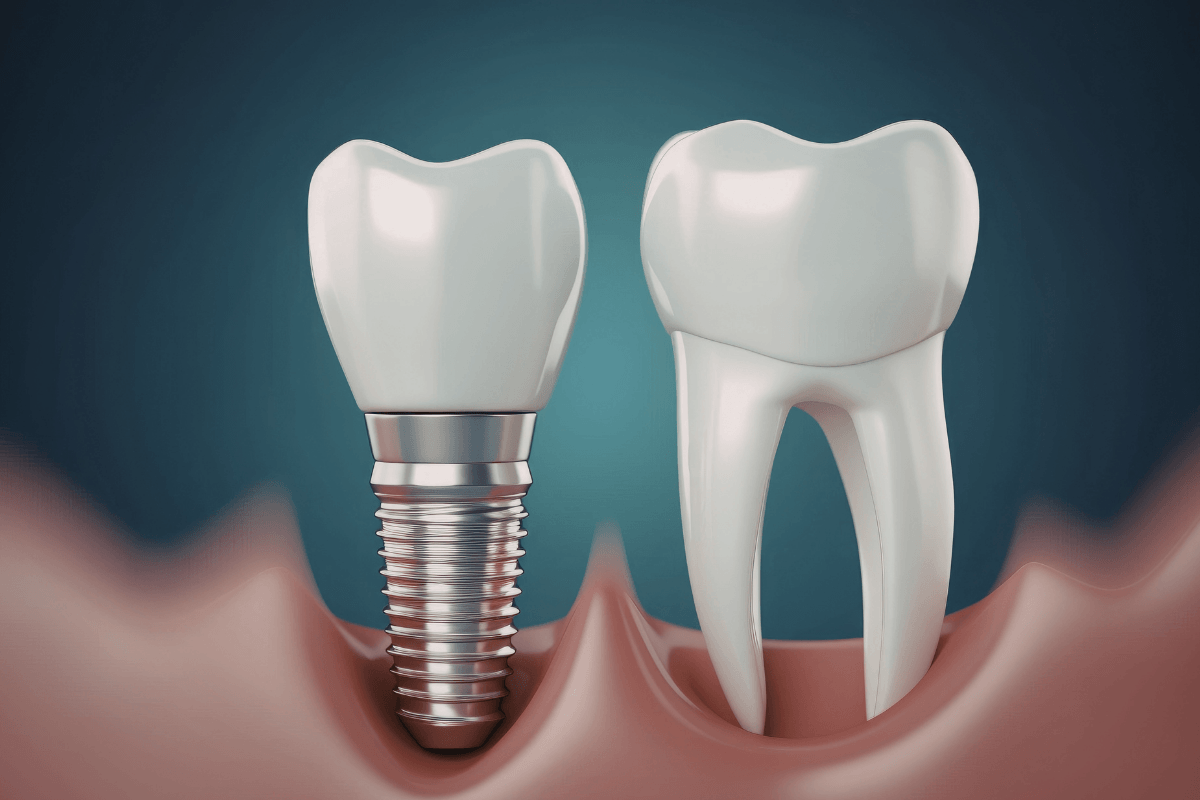
Better oral health often starts with a simple search
For Simcoe families, Dentist improving oral health does not always begin with a grand resolution. More often, it begins with a practical decision to stop postponing care. A search for “teeth cleaning near me” may seem small, but it often leads to much bigger gains: fewer emergencies, earlier treatment, lower long term costs, healthier gums, and children who grow up seeing dental visits as routine.
The same is true when someone searches “dentist near me” after moving to the area, or “tooth fillings near me” after noticing a problem. These searches point to a need, but they also create an opportunity. Local, preventive focused care can turn occasional dental attention into a stable health habit.

That habit is what protects smiles over decades, not just months. In a place like Simcoe, where family schedules are full and health decisions compete for attention, regular cleanings remain one of the smartest and most practical investments a household can make. The appointment itself may last less than an hour. The payoff, when repeated consistently, reaches much further.

Malo Family Dentistry — Business Info (NAP)
Name: Malo Family DentistryAddress: 100 Colborne St N, Simcoe, ON N3Y 3V1
Phone: +1-519-426-8155
Website: https://www.malodentistry.com/
Hours:
Monday: 7:30 AM – 12:00 PM; 1:00 PM – 5:00 PM
Tuesday: 7:30 AM – 12:00 PM; 1:00 PM – 5:00 PM
Wednesday: 7:30 AM – 12:00 PM; 1:00 PM – 5:00 PM
Thursday: 7:30 AM – 12:00 PM; 1:00 PM – 5:00 PM
Friday: 7:30 AM – 1:00 PM
Saturday: Closed
Sunday: Closed
Service Area: Simcoe, Ontario and Norfolk County
Open-location code (Plus Code): RMQV+G2 Simcoe, Norfolk, ON
Map/listing URL: https://maps.app.goo.gl/VBZ3Ygx4hjxW2vrf9
Embed iframe:
Socials (canonical https URLs):
Facebook: https://www.facebook.com/malodentistry/
https://www.malodentistry.com/
Malo Family Dentistry provides dental services for patients in Simcoe, Ontario and Norfolk County.
The clinic offers preventive care, cleanings, fillings, extractions, dental repairs, cosmetic dental work, dentures, mouthguards, and related dental services.
Patients can contact Malo Family Dentistry by calling +1-519-426-8155.
Hours listed are Monday to Thursday 7:30 AM–12:00 PM and 1:00 PM–5:00 PM, Friday 7:30 AM–1:00 PM, with Saturday and Sunday closed.
Malo Family Dentistry serves patients from Simcoe and surrounding Norfolk County communities.
For directions and listing details, use the map listing: https://maps.app.goo.gl/VBZ3Ygx4hjxW2vrf9
Popular Questions About Malo Family Dentistry
What dental services does Malo Family Dentistry provide?Malo Family Dentistry provides dental services including preventive care, cleanings, fillings, extractions, dental repairs, cosmetic dental work, dentures, mouthguards, and related care.
Where does Malo Family Dentistry serve patients?
Malo Family Dentistry serves Simcoe, Ontario and surrounding Norfolk County communities.
What are Malo Family Dentistry’s hours?
Monday–Thursday: 7:30 AM–12:00 PM and 1:00 PM–5:00 PM; Friday: 7:30 AM–1:00 PM; Saturday and Sunday closed.
Does Malo Family Dentistry list an email address?
No email address was provided. Contact the clinic by phone or through the website.
How can I contact Malo Family Dentistry?
Phone: +1-519-426-8155
Website: https://www.malodentistry.com/
Map: https://maps.app.goo.gl/VBZ3Ygx4hjxW2vrf9
Facebook: https://www.facebook.com/malodentistry/
Landmarks Near Simcoe, ON and Norfolk County
1) Norfolk County Fairgrounds2) Simcoe Recreation Centre
3) Downtown Simcoe
4) Norfolk Arts Centre
5) Port Dover Beach
6) Turkey Point Provincial Park
7) Long Point Provincial Park